

|

|

Online Newsletter
Sign up for our newsletter to receive the latest news and information from publics.bg
Sign up for our newsletter to receive the latest news and information from publics.bg


Publications


 08.02.2012
Infrastructure Failures
The national Bulgarian policy clings to the idea of “building something”, while the management of the lifecycle of the particular infrastructure, in the best of scenarios, is no more than a background
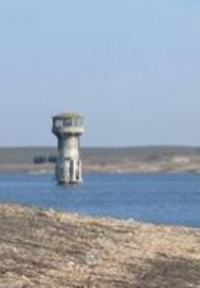
Today, February 8, is a national day of mourning in Bulgaria due to the tragic loss of yet unclear number of citizens following yesterday’s flood that hit Biser village, near Haskovo. The latest reports informed about 8 casualties and two persons filed as missing. We, the Publics.bg team, would like to express our condolences to the families of the casualties and we hereby declare our support to all civil initiatives aiming to prevent similar events in the future.
Infrastructure failures
Collapsed dam walls, closed roads, natural gas shortage and closed power plants due to insufficient coal supplies… All this results in potable water, natural gas and electricity supply restrictions or insufficiency. This imminently leads to higher utility bills.
The 2011/2012 winter is actually one of the hardest that we have seen in Bulgaria in recent years. Due to the harsh weather, we should turn our heads to solving the aching issue with archaic infrastructure and its mediocre maintenance. Yet again winter proved our belief that disasters shall pass us. New models for design, construction, management and maintenance of all types of infrastructure are required. They should comply with the best world practices in order to prevent posing a threat to the population and cause economic losses. Definitely, the Biser village disaster is not the first one to be caused by neglect of the responsible authorities, leading to casualties and damages amounting to millions of euros.
Socialist-era legacy – doom or blessing?
The overprotective attitude when it comes to infrastructure in socialist-era Bulgaria until 1989 (in some sectors such as energy infrastructure the process continued until recently) has been pointed out as one of the main advantages of planned economy. The spare capacity of the electricity grid, the high electrification rate of railroads and the large percentage of settlements with central water supply were without a doubt advantages in the time when Bulgaria strived for foreign investments in these key economic branches. These infrastructure systems (to be distinguished from separate infrastructure objects) however, have been left to rust during the past couple of decades.
The result is evident: electricity grid that fails to accommodate new renewable capacities, deteriorating railroads and hazardous railway cars. Last but not least, neglected water infrastructure posing an obvious threat to the lives of citizens. The water supply system in Bulgaria has some of the largest water losses in the world, while the water treatment does not match the international standards and is insufficient for the local needs.
A systematic approach
The most logic explanation why tragic disasters related to infrastructure keep happening is perhaps the lack of an integrated infrastructure strategy which should manage not only the renovation of separate infrastructure objects but also their management and maintenance. Unfortunately, this approach that ends with the construction of something perpetuates even after the soviet era of 5-yar plans. The national Bulgarian policy clings to the idea of “building something”, while the management of the lifecycle of the particular infrastructure, in the best of scenarios, is no more than a background. Contrary to popular beliefs, the operational period of infrastructure is related to even greater expenses than construction itself. This fact concerns all built and planned motorways, water supply and electricity networks, railroads, industrial entities, etc. Only if we plan their operation and maintenance management and distribute the responsibility over them clearly and correctly, shall we avoid repeating such tragic disasters as yesterday’s flood.

No published comments
Login to comment
 Interview
 Full text
 Events


