

|

|

Online Newsletter
Sign up for our newsletter to receive the latest news and information from publics.bg
Sign up for our newsletter to receive the latest news and information from publics.bg


News
World news


 18.01.2013 14:57
Road Transport: New European Driving Licence
The new European licence will progressively replace the more than 100 different paper and plastic models currently in use by more than 300 million drivers across the EU
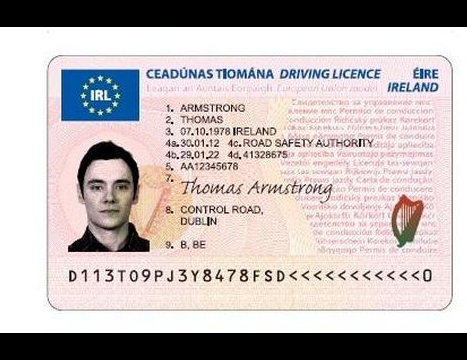
From January 19th 2013, all new driving licences issued across the EU will be in the form of a plastic "credit card," with a standard European format and tougher security protection. The new European licence will progressively replace the more than 100 different paper and plastic models currently in use by more than 300 million drivers across the EU. It is part of a broader package of measures (3rd EU Driving Licence Directive) coming into force designed to enhance free movement, tackle driving licence fraud and improve road safety across the EU.
"Traffic police across Europe are currently expected to recognise more than 100 different types of paper and plastic driving licence. ID photos may be long out of date, the categories for which the driver is licenced unclear and the document may be easy to forge. Fake driving licences are a licence to kill, that is why we need licences which are easy to read, easy to understand and very difficult to falsify".
The main changes which will come into force on January 19th 2013 are as follows:
A standard European format
All new European driving licences will be issued according to a new format, a plastic "credit card", with a photo and standard information requirements - easy to recognise and read across the EU (see photo below). All new licences will be issued in this format from January 19th 2013.
Existing licences are not affected, but will be changed to the new format at the time of renewal or at the latest by 2033. The European driving licence can be adapted to incorporate national symbols as decided by each Member State.
Enhanced security
The new driving licence includes a number of security features to make it "tamper proof" and to avoid falsification.
In addition, it is backed up by the creation of a European electronic data exchange system to facilitate the exchange of information between national administrations. This will simplify the process for managing driving licences for people changing residence from one Member State to another. It will also significantly help to prohibit "driving licence tourism" and fraud, for example, to enforce the new, more stringent prohibition, of a Member State issuing a licence to someone who has already had their licence withdrawn, suspended or restricted by another Member State.
The Regular Renewal of Licences
Central to tackling fraud and improving road safety is the need for a regular renewal of licences across the EU. Under the new rules, licences must be renewed, for car drivers and motorcyclists, every 10-15 years, depending on the Member State. For buses and lorry drivers licenses must be renewed every five years and a medical check-up will be necessary for renewal.
This is an administrative renewal, and does not require any additional testing. It ensures that licencing information, photos etc. are kept up to date, security features on cards can be regularly updated to new technology and Member States have constantly updated information about the licences in circulation.
Protection of vulnerable drivers
The European driving licence regime strengthens protection for the most vulnerable categories of road users. This includes:
A higher age limit for direct access (via practical and theory testing) to licences for the most powerful motorbikes, up from the existing 21 to 24 years.
Raising the age limit, as well as introducing extra steps along the way for progressive access. The new regime requires driving experience of a minimum of four years (instead of two) with less powerful motorcycles before a licence is issued to drive the most powerful ones.
Mopeds constitute a new vehicle category and moped licence candidates will from now on be required to pass a theory test. Member States may also introduce skill and behaviour tests and medical examinations. The EU sets a minimum recommended age of 16 years at which licences are mutually recognised by all Members States (Member States may go to 14 in their own country). Prior to this there were no minimum EU requirements for mopeds.
Minimum standards for driving examiners
Driving examiners will have to comply with minimum standards as regards their initial qualification and periodic training. This measure will provide quality control in the new system.
Directive 2006/126/EC on driving licences was adopted by Member States and the European Parliament in 2006. It had to be transposed by Member States by 19 January 2011 and it becomes fully applicable on 19 January 2013.
 All world news
No published comments
Login to comment
 Interview
 Full text
 Events


