

|

|

Online Newsletter
Sign up for our newsletter to receive the latest news and information from publics.bg
Sign up for our newsletter to receive the latest news and information from publics.bg


News
World news


 13.08.2012 16:30
Environment: New Rules on Electric Appliances Waste to Boost Resource Efficiency
The Directive entering into force today introduces a collection target of 45 % of electronic equipment sold that will apply from 2016 and, as a second step from 2019, a target of 65 % of equipment sold, or 85 % of electronic waste generated. Member States will be able to choose which one of these two equivalent ways to measure the target they wish to report
© postbear@flickr.com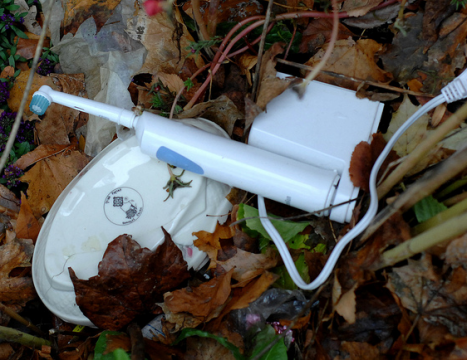
Improved rules on the collection and treatment of e-waste enter into force today. E-waste (i.e. waste electrical and electronic equipment, or WEEE) is one the fastest growing waste streams, and it offers substantial opportunities in terms of making secondary raw materials available on the market. Systematic collection and proper treatment is a precondition for recycling materials like gold, silver, copper and rare metals in used TVs, laptops and mobile phones. The new Directive is a clear step forward in terms of environmental protection and a major boost to resource efficiency in Europe.
Environment Commissioner Janez Potočnik said: "In these times of economic turmoil and rising prices for raw materials, resource efficiency is where environmental benefits and innovative growth opportunities come together. We now need to open new collection channels for electronic waste and improve the effectiveness of existing ones. I encourage the Member States to meet these new targets before the formal deadline."
The Directive entering into force today introduces a collection target of 45 % of electronic equipment sold that will apply from 2016 and, as a second step from 2019, a target of 65 % of equipment sold, or 85 % of electronic waste generated. Member States will be able to choose which one of these two equivalent ways to measure the target they wish to report. From 2018, the Directive will be extended from its current restricted scope to all categories of electronic waste, subject to an impact assessment beforehand.
The Directive gives Member States the tools to fight the illegal export of waste more effectively. Illegal shipments of WEEE are a serious problem, especially when they are disguised as legal shipments of used equipment to circumvent EU waste treatment rules.
The new Directive will oblige exporters to test whether equipment works or not, and provide documents on the nature of shipments that could be thought illegal.
Another expected improvement is the reduction of administrative burdens through harmonisation of national registration and reporting requirements. Requirements by Member States' registers for producers of e-waste will now be aligned more closely.
Currently only one third of electrical and electronic waste in the EU is separately collected within the documented system. The existing EU collection target is 4 kg of WEEE per capita, representing about 2 million tons per year, out of around 10 million tonnes of WEEE generated annually in the EU. By 2020, it is estimated that the volume of WEEE will increase to 12 million tons. The final target of the new Directive, an ambitious 85% of all WEEE generated, will ensure that in 2020 around 10 million tons, or roughly 20kg per capita, will be separately collected in the EU.
Next Steps
By 14 February 2014 at the latest, Member States will have to amend their existing legislation on WEEE and align it with the new Directive and the new targets. Consumers can then return small e-waste at large retail shops unless existing alternative schemes are shown to be at least as effective. From the date of national transposition onwards, a reversed burden of proof will apply to shipments of used equipment which are suspected to be illegal waste shipments.
From 2016 onwards, Member States will be required to ensure that 45 % of electrical and electronic equipment sold in each country is collected.
From 2018 onwards, the scope of the Directive is widened from today's categories to all electrical and electronic equipment.
From 2019 onwards, the collection target is raised to 65 % of electrical and electronic equipment sold, or the alternative measure of 85 % of WEEE generated.
Some Member States will be able to derogate from the new targets for a limited time, where this is justified by a lack of necessary infrastructure or low levels of consumption of electronic equipment. The Commission will use the powers given in the new Directive to harmonise the frequency of reporting by producers to the national registers, and the format for registration and reporting. The Commission will review certain changes agreed with the new Directive, for example as regards the scope, in order to identify any undesirable effects.
 All world news
No published comments
Login to comment
 Interview
 Full text
 Events


