

|

|

Online Newsletter
Sign up for our newsletter to receive the latest news and information from publics.bg
Sign up for our newsletter to receive the latest news and information from publics.bg


News
World news


 22.07.2011 13:03
China Connects First Fast Nuclear Reactor to Electricity Grid
The experimental fast reactor took a decade to build and achieved criticality, or started controlled and sustainable generation, exactly a year ago, according to a report by the China Institute of Atomic Energy published on the website of China National Nuclear Corp., the nation’s biggest operator of atomic plants
© Julian P Tan@flickr.com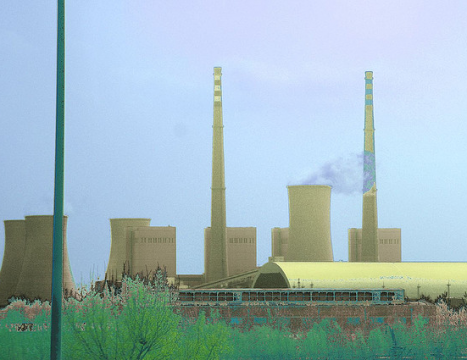
China connected to the electricity grid an experimental nuclear reactor that produces less radioactive waste than current designs, in a move that may help the nation build safer atomic plants after the Fukushima crisis, Bloomberg reported.
The 65-megawatt fast-neutron reactor near Beijing connected to the grid at 40 percent capacity today, Xu Mi, chief engineer at the experimental fast reactor program of the China Institute of Atomic Energy, said by telephone. The reactor was built by the institute with help from the Russian government.
China continues to promote the development of nuclear power even after it stopped approving new plants pending safety reviews following the March 11 accident at Japan’s Fukushima Dai-Ichi plant, the worst atomic disaster since Chernobyl 25 years ago. France, the U.S. and U.K. are among countries developing the next generation of reactors based on fast-neutron technology that uses uranium fuel more efficiently.
The experimental fast reactor took a decade to build and achieved criticality, or started controlled and sustainable generation, exactly a year ago, according to a report by the China Institute of Atomic Energy published on the website of China National Nuclear Corp., the nation’s biggest operator of atomic plants. China started fast-reactor research in the mid- 1960s, it said.
Fast reactors reduce radioactive waste compared with existing operational designs by using most of the fuel during the nuclear reaction, according to the World Nuclear Association.
The reactors utilize up to 70 percent of uranium feedstock compared with 1 percent for existing pressurized water reactors, such as the AP1000 design by Westinghouse Electric Co., according to the report published by China National Nuclear.
About 20 fast reactors have been operating around the world, some since the 1950s, the nuclear association said on its website. France and Russia run commercial plants based on the technology, it said.
 All world news
No published comments
Login to comment
 Interview
 Full text
 Events


